Insulated Concrete Forms Manufacture: Shaping the Future of Energy-Efficient Construction
Insulated Concrete Forms (ICFs) are becoming increasingly popular in the building sector for their energy-saving benefits. These innovative forms combine insulation with structural strength, addressing the growing demand for environmentally conscious building practices. As environmental awareness continues to grow, the transition to ICFs brings significant attention to established construction practices. What makes ICFs stand out in today's market? copyrightining their advantages and uses uncovers a deeper understanding of the direction of modern construction.
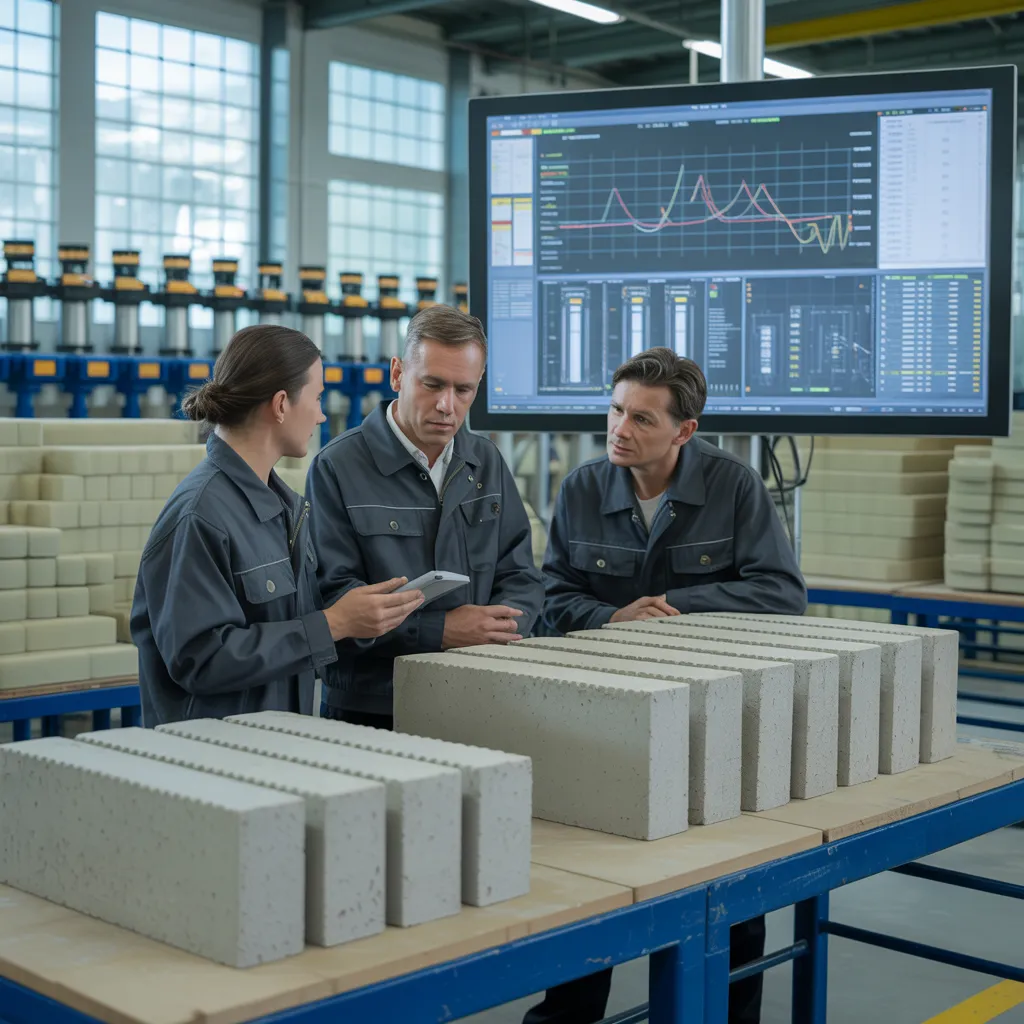
Exploring Insulated Concrete Forms: A Complete Overview
As the construction industry shifts toward greener building methods, insulated concrete forms (ICFs) have risen to prominence as a key solution for sustainable and energy-efficient construction. ICFs are composed of expanded polystyrene (EPS) foam blocks or panels that connect seamlessly to establish a strong framework. This framework is filled with concrete, providing structural integrity while enhancing thermal performance. The superior insulation characteristics of ICFs considerably decrease energy demands for heating and cooling, making them an ever-popular option for builders and contractors.
Additionally, ICF construction demonstrates remarkable flexibility, applicable to residential, commercial, and industrial uses. It accommodates various architectural configurations, preserving visual appeal without sacrificing performance. Beyond this, ICFs contribute to sound attenuation and enhanced resilience against environmental conditions. As regulations tighten around energy efficiency, knowledge of ICFs proves vital for stakeholders working to comply with contemporary construction standards while fostering environmental responsibility in the built environment.
Major Benefits of ICFs for Energy Efficiency and Sustainable Construction
As energy efficiency grows increasingly important in the construction industry, the benefits of insulated concrete forms (ICFs) stand out prominently. ICFs provide superior insulation compared to traditional building materials, significantly minimizing thermal bridging and boosting energy performance. This translates into lower heating and cooling costs, supporting long-term savings for residential and commercial property owners.
In addition, ICFs are recognized for their durability and resilience, which greatly enhances green construction approaches. By supplying exceptional noise insulation and defense against natural disasters, ICF buildings necessitate minimal maintenance and fewer repairs across their lifetime.
Moreover, ICFs support a diminished carbon footprint. Their construction process often involves recycled materials, and their thermal performance reduce consumption of fossil fuels. This adherence to eco-friendly methods establishes ICFs as an ideal selection for construction professionals prioritizing sustainability. In summary, the merits of ICFs indicate a pivotal shift embracing greener construction methodologies.
What Are the Key Insights When Comparing ICFs to Traditional Building Methods?
When comparing ICFs (Insulated Concrete Forms) to standard building techniques, notable distinctions in energy efficiency and construction speed emerge. ICFs generally provide superior insulation, contributing to lower energy consumption over time. Furthermore, the construction process with ICFs is often quicker, thereby potentially lowering project timelines and labor costs.
Benefits of Energy Efficiency
How do Insulated Concrete Forms (ICFs) compare to traditional building methods in terms of energy efficiency? ICFs deliver considerable advantages, primarily due to their superior thermal insulation properties. The continuous insulation provided by ICFs reduces thermal bridging, leading to decreased heat loss in winter and heat gain in summer. As a result, buildings built with ICFs sustain more stable indoor temperatures, which can reduce heating and cooling costs. Additionally, ICFs have a elevated R-value, improving overall energy efficiency compared to traditional wood framing. Moreover, the tight construction of ICFs minimizes air leakage, further contributing to energy savings. Overall, ICFs offer a forward-thinking solution for energy-efficient construction, advancing contemporary sustainability goals and decreasing reliance on fossil fuels.
Building Speed Analysis
Insulated Concrete Forms (ICFs) significantly speed up the building process when measured against standard building techniques. ICFs are built for fast installation, allowing walls to be erected in a fraction of the time needed for traditional framing methods. The lightweight nature of the forms simplifies transportation and handling on-site, reducing labor costs and time. Additionally, the integrated insulation eliminates the need for independent insulation work, further streamlining the construction timeline. Data demonstrates that builds employing ICFs can be completed up to 50% faster than projects constructed with conventional wood framing. This effectiveness not only compresses project schedules but also minimizes interruptions due to weather, leading to more reliable scheduling. Altogether, ICFs signify a substantial step forward in the speed of energy-efficient construction.
ICF Manufacturing: From Raw Materials to Final Product
The manufacturing of Insulated Concrete Forms, commonly known as ICFs commences with a thorough selection of raw materials, which directly impacts their performance and sustainability. Grasping the manufacturing methods utilized is essential for comprehending how such materials are converted into the end product. This approach not only affects the productivity of construction work but also supports the overall energy effectiveness of residential and commercial buildings.
Raw Material Selection Process
Choosing base materials is a critical step in the fabrication of Insulated Concrete Forms (ICFs), impacting both the structural stability and energy effectiveness of the end product. The main components typically include high-density polystyrene or polyurethane for heat insulation and structural concrete for structural durability. The choice of insulation component determines heat retention, while the concrete's composition influences load-bearing capacity and durability. Furthermore, incorporating sustainable and renewable materials is gaining greater significance, adhering to consumer preferences and environmental standards. Quality control during the selection process is essential, as substandard materials can cause higher energy expenditures and structural deficiencies. As a result, a thorough analysis of material properties, environmental impact, and cost-effectiveness is required to ensure peak performance and longevity in ICF construction projects.
An Overview of Production Techniques
Efficient production techniques are essential for transforming raw materials into high-performance Insulated Concrete Forms (ICFs). The manufacturing process typically begins with the selection of quality raw materials, including polystyrene foam and concrete aggregates. These components are subjected to accurate mixing and molding procedures to establish the form's structure. Advanced automated systems regularly perform an essential role in guaranteeing consistency and pace, improving overall manufacturing output.
After molding, the forms are subjected to curing procedures that allow the concrete to gain strength while the thermal properties are retained. Quality control measures are implemented throughout the production to satisfy industry requirements. As a result, these sophisticated processes enhance the durability and energy efficiency of ICFs, positioning them as the leading option in modern construction.
Creative Implementations of ICF Technology in Modern Building Projects
Redefining modern construction, Insulated Concrete Forms (ICFs) have proven to be a versatile solution for a diverse array of building applications. They extend beyond traditional residential homes to business facilities, academic buildings, and even disaster-resistant structures. ICFs prove especially beneficial in designs focused on energy efficiency, delivering outstanding thermal insulation and thermal mass, which enhance overall energy efficiency.
Moreover, the simplicity of installation enables quick construction timelines, making ICFs suitable for projects that need quick turnarounds. Their intrinsic robustness and resilience also contribute to durable structures, minimizing maintenance costs over time.
Furthermore, ICFs are increasingly used in green design efforts, adhering to green building standards by reducing waste and enhancing energy efficiency. Creative architectural plans employ ICFs to craft exceptional designs and structural layouts, demonstrating their adaptability. As the construction industry evolves, ICFs consistently expand the scope of modern construction, establishing themselves as vital to contemporary energy-efficient construction.
Advancing Trends in Insulated Concrete Forms Technology
As the building industry advances, progress in Insulated Concrete Forms (ICFs) technology is positioned to revolutionize building techniques. Upcoming developments point to a transition toward superior energy efficiency through upgraded insulation materials, such as aerogels and bio-based composites. These advancements are expected to decrease energy usage while preserving structural integrity.
Additionally, the adoption of intelligent technology into ICFs is expected, matching information allowing for live energy tracking and self-regulating climate control systems. This fusion of technology not only elevates comfort but also promotes eco-friendly construction practices.
Furthermore, manufacturers are investigating modular designs that simplify the construction process, decreasing material waste and operational labor costs. This development corresponds with the expanding requirement for rapid, efficient building solutions in the face of urbanization.
Questions We Get Asked Often
How Does ICF Production Affect the Environment?
The environmental impacts of ICF production include resource extraction, energy consumption during manufacturing, and potential emissions. However, their energy efficiency in construction can mitigate long-term environmental effects, encouraging environmentally responsible building practices and lowering overall carbon footprints.
How Do ICFS Function in Extreme Weather Conditions?
ICFs demonstrate outstanding performance in extreme weather conditions, delivering excellent insulation and structural integrity. Their durability helps resist harm caused by extreme temperatures, high winds, and heavy snow, rendering them ideal for varied climates and challenging environmental conditions.
Are There Building Codes Specific to ICF Structures?
Indeed, particular building codes for ICF structures exist and vary by region. These regulations encompass energy efficiency, safety, and structural integrity, ensuring compliance with local regulations while supporting optimal performance in a wide range of environmental conditions.
How Long Does an ICF Building Last?
A building constructed with ICF usually has a lifespan of 70 to 100 years on average, influenced by construction quality and maintenance. Its durability is enhanced by resistance to weather, pests, and fire, ensuring long-term structural integrity.
Is It Possible to Recycle ICFS at the End of Their Lifespan?
Insulated Concrete Forms (ICFs) are indeed recyclable once they have reached the end of their lifespan. A number of methods are available to repurpose these materials, supporting sustainability and minimizing waste in construction and demolition processes.